Above the Ceiling Grid: How Roof Selection Sets the Pace for South Texas Commercial Projects
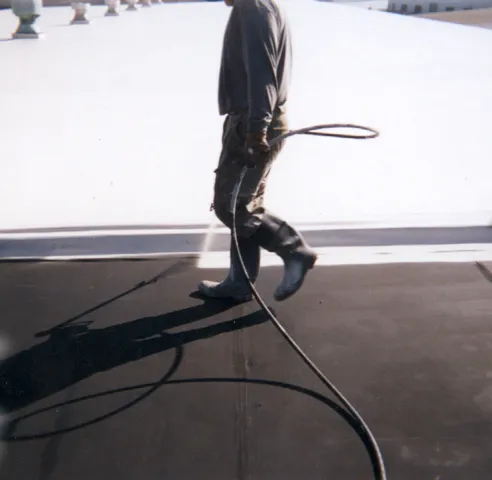
Photo: Brian O'Donnell, CC BY-SA 3.0, via Wikimedia Commons
The Roof Is a Schedule
A commercial roof is often discussed as a surface: square footage, membrane type, color, warranty. For owners and developers, it is better understood as a schedule. The roof decides when the building can be dried in. Dry-in decides when interior framing, drywall, ceiling grid, and finishes can proceed without risk. The roof also determines how much heat enters the building, how often maintenance crews will be called, and how the property will perform in a hailstorm or hurricane.
In South Texas, those decisions carry extra weight. Summer sun can age materials quickly. Gulf moisture and tropical systems test drainage and wind uplift. Hail events in the region can challenge warranties. A roof that is adequate in a milder climate may be a recurring expense here.
Comparing Common Systems
TPO and Single-Ply
Thermoplastic polyolefin membranes are common on commercial buildings because they are reflective, seam-friendly, and relatively economical. White TPO can reduce cooling load, which matters in a climate where air-conditioning runs for much of the year. Performance depends on thickness, attachment method, and detailing. In high-wind zones, the attachment and edge metal matter as much as the membrane itself.
Modified Bitumen
Modified bitumen systems use asphalt-based sheets with modifiers for flexibility and durability. They can be appropriate for low-slope roofs and are often chosen for their track record and repairability. Heat and UV exposure can affect long-term performance, so surface protection and proper installation are important.
Standing Seam Metal
Standing seam metal roofs offer durability and wind resistance, and they can be a good fit for industrial and retail buildings with suitable slopes. They reflect heat when finished with appropriate coatings. The tradeoff is cost and the importance of detailing at penetrations, valleys, and edges. A metal roof is only as good as its fasteners and flashing.
Built-Up Roofing
Built-up roofing, often called BUR, uses multiple layers of felt and bitumen. It has a long history in commercial construction and can perform well when specified and maintained. It is heavier and may require more labor, but it can be a reasonable choice where redundancy and repairability are priorities.
Drainage Is a Design Decision
Roof drainage is not a plumbing afterthought. Slope, scuppers, drains, overflow paths, and gutters should be designed together. In South Texas, intense rain can overwhelm undersized drains. Ponding water stresses membranes and can void warranties. Owners should ask for drainage calculations, not just a roof plan.
Interior drains require coordination with structure and ceiling height. Exterior drainage may affect facade and site design. Overflow systems should direct water away from doors, electrical equipment, and tenant spaces. A roof that sheds water well is less likely to become an emergency service call.
Warranty Traps
Roof warranties can be valuable, but they are not all alike. Owners should compare material warranties, labor warranties, and system warranties. They should understand exclusions for ponding, traffic, hail, and improper maintenance. Warranty terms may require specific cleaning, inspection, or repair procedures.
Another trap is the start date. A roof warranty may begin at substantial completion, at manufacturer acceptance, or at another milestone. If the roof is installed early and the building sits unfinished for months, the owner should know when coverage actually starts. The warranty should be part of the closeout package, not a document filed after the fact.
How Roofing Choices Affect Interior Trades
The roof schedule affects more than the roofers. Once the building is dry, interior trades can work without temporary protection and moisture risk. If the roof is delayed, drywall, ceiling grid, and flooring may be postponed or installed under temporary cover. That sequence can create rework and schedule pressure.
Early roof selection also affects the structural design. Different systems have different weights and attachment requirements. Rooftop equipment, screens, and solar-ready provisions should be coordinated before the roof is bid. A roof designed for future equipment is easier to maintain than one modified repeatedly.
A Decision Framework
Owners should evaluate roof systems against four questions. First, what are the site's wind, hail, and rain exposures? Second, what is the building's intended use and expected maintenance budget? Third, how does the roof interact with the construction schedule? Fourth, what warranty and service support will be available locally?
For South Texas commercial projects, the best roof is not always the most expensive or the most familiar. It is the one that fits the building's exposure, the owner's maintenance capacity, and the schedule that brings tenants through the door. The roof may be above the ceiling grid, but its decisions sit at the center of the project.