The Permit Matrix: Mapping South Texas City Halls Before You Buy the Land

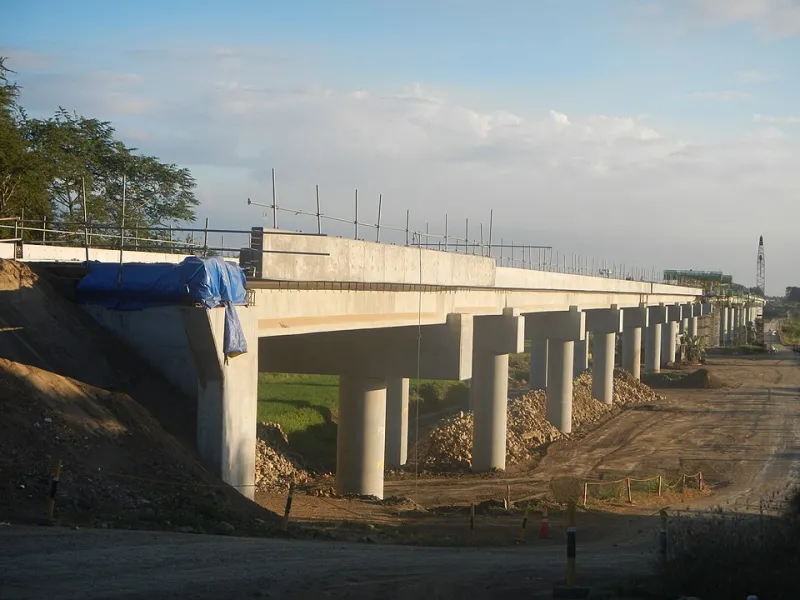
Photo: Tourism Administration, MOTC, Attribution, via Wikimedia Commons
Land is usually under contract before anyone calls a city planner. The feasibility window gets spent on surveys, title work, environmental screening, and perhaps a round of geotechnical borings, while permitting is treated as a chore that begins after design. In South Texas, that ordering is expensive. The gap between a jurisdiction that turns a site plan in three weeks and one that returns it twice for drainage revisions can run several months — months that sit on a purchase option, a construction loan commitment, or a tenant's promised opening date.
A permit matrix is a modest instrument with an outsized effect. It is a spreadsheet that lists, for each candidate site, every approval the project will need, who issues it, what the published review time is, what the realistic review time has been, and what conditions typically come back in comments. Assembled before closing, it converts permitting from a post-design formality into a priced, scheduled line item.
Why Permitting Belongs in Due Diligence
Acquisition risk is usually framed as environmental or title risk. Permitting risk deserves equal standing, because it is the one category an owner can measure cheaply and early. A pre-application meeting costs a few hours and a filing fee. Discovering a floodplain conflict after the building is designed costs a redesign, a delay, and sometimes the deal.
The matrix also changes negotiating posture. An owner who knows that a site requires a variance, a plat amendment, or a utility upgrade can ask for a price reduction, an extended feasibility period, or a seller-funded extension of utilities. An owner who learns the same facts after closing absorbs all of it.
The Four Columns of a Permit Matrix
Every commercial project, regardless of city, runs through four approval families. Build the matrix around them.
Zoning and land use. Confirm the base zoning district, permitted uses, setback and height limits, parking ratios, and landscape requirements. Ask specifically whether the intended use is permitted by right, permitted with conditions, or requires a specific use permit or variance. In San Antonio, the Unified Development Code governs most of this, and overlay districts — historic, aquifer-related, corridor — can add layers that a base-district check will miss. In McAllen and across Hidalgo County, platting status and drainage easements frequently surface as the binding constraint. In Corpus Christi, floodplain and coastal considerations can reshape a site plan before zoning is even reached.
Site work and drainage. This is where South Texas schedules go to die. Flat terrain, clay soils, and intense rainfall events mean detention, retention, and outfall design carry real weight. Ask each jurisdiction for its current drainage criteria, its review queue for civil plans, and whether an off-site outfall commitment will be required. A site that needs an off-site drainage easement across a neighbor's tract is a different project than one that does not.
Building and fire. Separate the building permit from the fire review, because in many jurisdictions they are separate queues with separate backlogs. Confirm fire apparatus access, hydrant spacing and flow, sprinkler and alarm submittal requirements, and whether the fire marshal conducts plan review in-house or by contract. Restaurant, warehouse, and high-piled storage occupancies each trigger distinct review paths.
Utility approvals. Water, wastewater, gas, and electric each have their own authority. Inside city limits, that may be a municipal utility; outside, it may be a water supply corporation, a municipal utility district, or a county system. Electric service may come from AEP Texas, CPS Energy, or a cooperative, and each has its own extension and coordination process. Confirm available capacity, the point of connection, and who pays for the extension. Note that a will-serve letter is not a construction schedule.
Reading the Matrix: Duration, Risk, and Cost
For each row, record four values: the published review time, the observed review time from comparable projects, the probability of at least one comment cycle, and the cost to satisfy the most likely condition. Published times are useful for planning; observed times are useful for underwriting. The difference between them is the number that belongs in the pro forma.
Rank each row by two axes: how long it can delay the project, and how much control the owner has. A fire review backlog is long but predictable. A variance needed for a drive aisle is short but discretionary and therefore far riskier, because it depends on a hearing and a vote.
Six Questions to Ask Every Department
Use the same script at every counter and in every pre-application meeting.
- What is the complete submittal package for this project type, and what is the most common reason packages are deemed incomplete?
- How many review cycles are typical, and what is the current queue length?
- Which approvals run concurrently, and which must be sequential?
- What conditions from recent comparable projects should we anticipate?
- Who else must sign off — county, state, utility, or special district — and does your office coordinate those reviews?
- What triggers a public hearing, and how far in advance must an application be filed?
Record the answers, with the date and the name of the person who gave them. A matrix built from memory is not evidence.
Writing It Into the Contract
Three contract provisions carry the matrix into the deal. First, a feasibility period long enough to cover pre-application meetings and, where needed, a zoning verification letter. Second, a defined termination right if any approval in the matrix is denied or conditioned in a way the owner did not anticipate. Third, an express allocation of responsibility for off-site utility extensions and drainage improvements.
From Matrix to Schedule
The final step is translation. Every row becomes a task in the preconstruction schedule with a duration, a predecessor, and an owner. The longest chain of dependent approvals — often platting, then civil, then building, then certificate of occupancy — defines the earliest realistic delivery date. That chain, not the contractor's construction calendar, is frequently the true critical path on a South Texas commercial project.
Owners who build the matrix before closing buy land with their eyes open. Owners who skip it buy a schedule they did not know they were purchasing. Timelines cited in any matrix should always be verified against the jurisdiction's currently adopted code and its own published review standards, because those standards change and the counter is the only authority that matters.