No Tenant, No Problem: How Build-to-Rent Is Reshaping the South Texas Commercial Landscape
Photo: roger geach, CC BY-SA 2.0, via Wikimedia Commons
For decades, the standard formula for commercial development in South Texas followed a familiar sequence: secure a tenant, secure financing, then break ground. That sequence is being rewritten. Across Hidalgo County, the Coastal Bend, and the northern reaches of Bexar County, developers are putting shovels in the ground with no anchor tenant, no retail lease, and sometimes no specific end user at all.
The build-to-rent (BTR) model — entire communities of single-family homes, duplexes, and small-format flex buildings constructed specifically to lease — has moved from a niche strategy to one of the fastest-growing segments we see on the boards at SouthTexa Contracting. Understanding why it's growing, and what it demands from a construction standpoint, is essential for any owner weighing their next move.
Why the Traditional Tenant-First Model Is Losing Ground
The tenant-first approach worked well when national retailers were expanding aggressively and credit was cheap. Both conditions have changed. Lenders have grown cautious about speculative retail and office, while many commercial tenants now prefer flexibility over long-term commitments.
Build-to-rent sidesteps the problem entirely. Rather than chasing a single occupant, the developer builds for the market itself. Demand for rental housing along the South Texas growth corridor — driven by industrial expansion, workforce migration, and relative affordability compared to other Texas metros — has proven durable enough that lenders have warmed to the model.
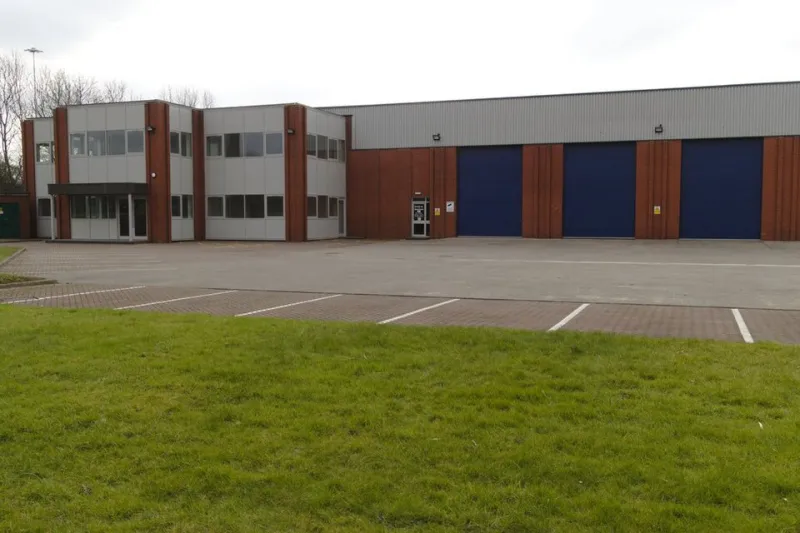
The same logic extends to small-format flex spaces: compact warehouse, light assembly, or office-warehouse buildings in the 2,000 to 10,000 square foot range. These serve small operators, trades, and e-commerce businesses that don't fit traditional retail or large industrial boxes.
What Changes on the Construction Side
From a contractor's perspective, BTR and flex projects are a different animal than a build-to-suit. A few of the most meaningful differences:
- Repetition over customization. A 150-home BTR community is fundamentally a manufacturing exercise. Floor plans repeat, and efficiency of labor and materials becomes the primary cost lever. Detailing that works on a one-off project must be systematized to survive a 14-month production schedule.
- Speed to revenue. Every month of construction delay is a month of uncollected rent across an entire community. Schedules are compressed, phased, and often sequenced so that leasing teams can begin occupying early phases while later phases are still under construction.
- Infrastructure first. Roads, drainage, utilities, and amenity packages — pools, clubhouses, dog parks — must be built early enough to support sales and leasing momentum, not last as they often do in commercial developments.
- Durability economics. A rental property is maintained by an owner, not an occupant. Material selections tilt toward longevity and low maintenance: hard-surface flooring, masonry or fiber-cement exteriors, and landscaping designed to survive South Texas summers with minimal irrigation.
Financing and Delivery: A New Kind of Discipline
BTR projects typically rely on construction-to-perm loan structures, which reward contractors who can document progress precisely and hit draw milestones. Inflexible delivery matters more here than in most commercial work. A delayed slab pour doesn't just push a move-in date — it can affect an entire phase's rent schedule and the developer's carry costs.
Many developers are also adopting phased Guaranteed Maximum Price (GMP) contracts, locking pricing on horizontal infrastructure early while deferring vertical pricing until market conditions clarify. It's a pragmatic structure, but it demands a contractor with strong pre-construction capabilities and honest cost forecasting.
Questions Owners Should Ask Before Entering the Space
The appeal is real, but so are the risks. Before committing capital to a build-to-rent or flex-space project, we advise owners to work through the following:
- What does the absorption data actually say? Lease-up velocity in one submarket doesn't guarantee performance in another. Look at months-of-supply and rent growth trends, not just headline occupancy figures.
- Who is the eventual exit buyer or holder? Institutional BTR buyers have specific unit-mix, parking, and durability standards. Building to those standards from day one protects resale value.
- Is the design truly production-ready? A plan that looks efficient on paper can hide costly field variability. Value engineering should happen before the first slab, not during.
- Does your contractor have production experience? Repetitive residential-scale construction requires different trade coordination than a commercial build-out. Ask for references from comparable communities.
- What's the maintenance story? Every material and system choice should be evaluated through a ten-year ownership lens, not a model-home lens.
A Structural Shift, Not a Fad
Some observers treat build-to-rent as a temporary response to high interest rates and tight housing supply. The evidence on the ground in South Texas suggests something more structural. Population growth along the I-35 and US-281 corridors, continued industrial and energy-sector investment near Corpus Christi, and steady cross-border commerce through the Valley all point to sustained rental demand that will outlast any single market cycle.
For developers and owners willing to adapt — designing for repetition, financing for patience, and building for durability — the tenantless project may prove to be the most reliable asset on the books. The buildings are the same concrete and steel our region has always relied on. What's changed is who holds the keys, and how the deal gets done before they ever turn one.