When the Pavement Hits 100 Degrees: Inside a South Texas Summer Concrete Pour

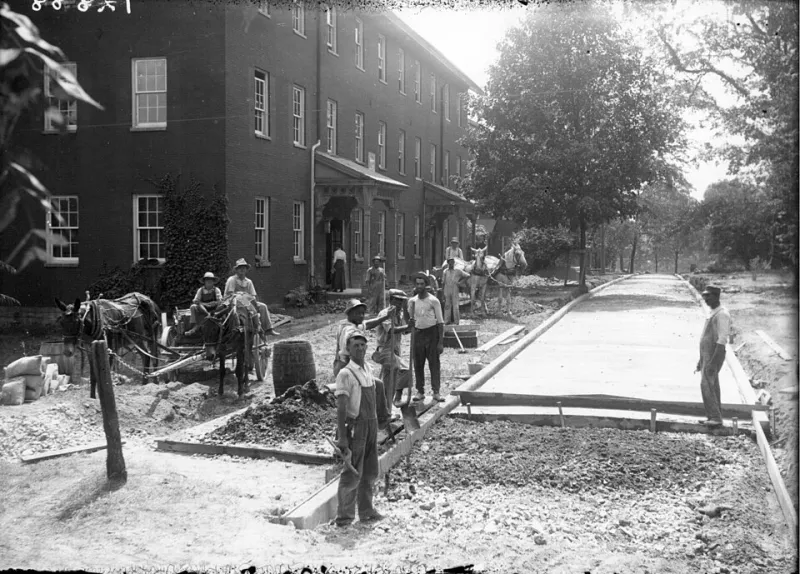
Photo: Jean Béraud, Public domain, via Wikimedia Commons
August in McAllen or Corpus Christi presents commercial owners with a fair question: can you really pour concrete in this heat? The answer, backed by decades of Gulf Coast practice, is yes — but only when the contractor treats hot-weather concreting as an engineering discipline rather than an afterthought.
Why Heat Changes the Chemistry
Concrete doesn't care about the forecast; it cares about temperature. When ambient temperatures climb past 90 degrees with low humidity — common across South Texas in July and August — water in the mix evaporates faster than the curing reaction can use it. The result is a slab that sets too quickly, loses workability, and risks reduced long-term strength, plastic shrinkage cracking, and cold joints where one pour meets the next before it's ready.
ACI 305, the American Concrete Institute's hot-weather concreting guideline, defines the conditions and the countermeasures. Reputable contractors across Hidalgo, Nueces, and Bexar counties build those countermeasures into every summer schedule.
The Shifted Workday
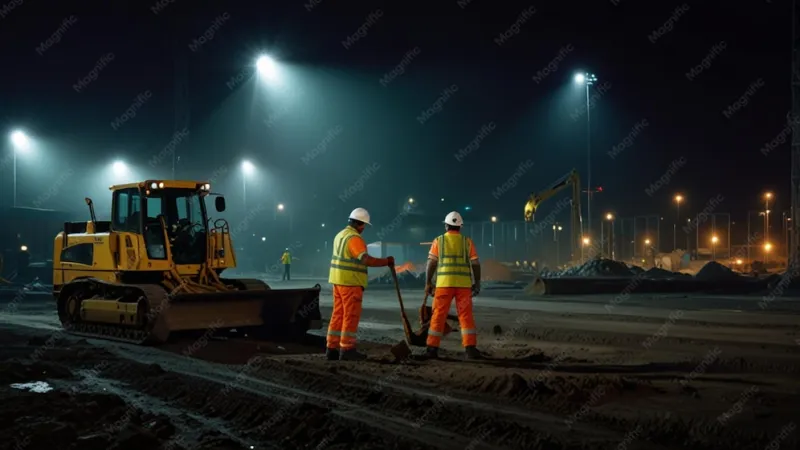
The most visible adjustment is the clock. Summer crews in the Valley routinely start at 5:30 or 6:00 a.m., front-loading the heavy work into the coolest hours. Pour operations are often scheduled to finish before the midday peak, and OSHA's heat-illness prevention requirements — water, shade, rest breaks, and acclimatization for new workers — shape the rhythm of the day.
For owners, the early start has a practical upside: critical placements happen when conditions are most forgiving, which protects quality and reduces the likelihood of costly rework.
Adjusting the Mix and the Method
Behind the scenes, hot-weather plans touch every stage of the pour:
- Cooler materials. Ready-mix suppliers may chill batch water or use ice to lower the concrete's initial temperature at the plant.
- Mix design changes. Retarding admixtures and adjusted cement contents slow the set and buy finishing crews time.
- Site preparation. Subgrade and forms are dampened ahead of placement so they don't pull moisture out of fresh concrete.
- Rapid placement and finishing. Larger crews or additional equipment shorten the window between batching and finishing.
- Aggressive curing. Curing compounds, wet burlap, soaker hoses, or white polyethylene sheeting lock in moisture and reflect the sun through the critical first days.
Each measure carries a modest cost. Skipping them carries a much larger one.
What It Means for Your Budget and Schedule
Owners planning summer construction should expect — and budget for — hot-weather practices rather than treating them as extras. Ice and admixtures, extended curing time, and slightly reduced daily production all show up in the numbers. A transparent contractor will itemize these allowances in the bid and explain the schedule implications before you sign.
The alternative is worse. A slab that cracks or underperforms in year three is a far more expensive problem than a line item in August. When you review summer bids, ask specifically how the contractor handles hot-weather concreting, what their crew heat-safety plan looks like, and how a heat wave would affect milestone dates.
Timing Is Still a Tool
Heat is predictable, and predictability is an asset. Many South Texas owners schedule structural concrete for late fall through early spring, reserving summer months for steel erection, underground utilities, and interior work that tolerates the heat. Others accept summer pours with the right precautions in exchange for a faster overall timeline. Both approaches are legitimate — what matters is making the decision deliberately, with your contractor, before the season arrives.
South Texas has never stopped building in the summer. The projects that succeed are the ones where the heat was planned for, not hoped away. Bring your contractor into that conversation early, and August becomes just another month on the schedule — not a threat to it.