Building Around the Weather: Inside a South Texas Contractor's Scheduling Playbook
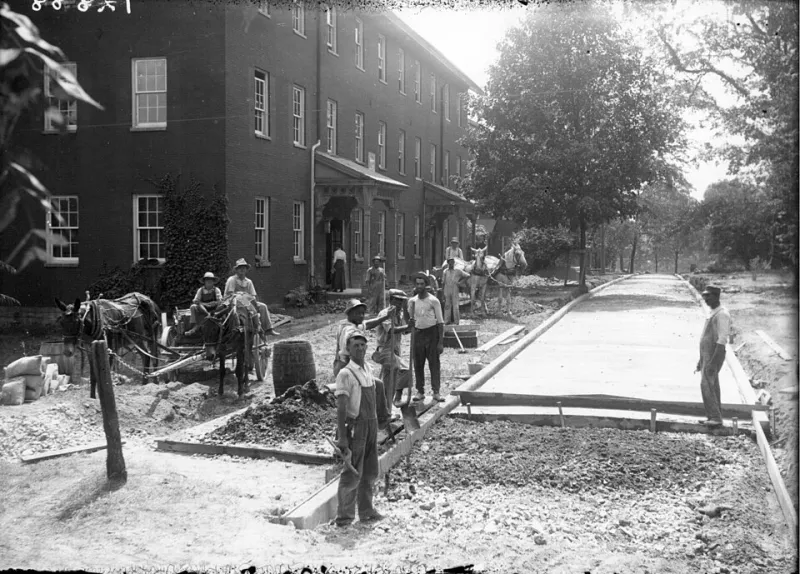
Photo: Snyder, Frank R. Flickr: Miami U. Libraries - Digital Collections, Public domain, via Wikimedia Commons
Ask any seasoned superintendent in the Rio Grande Valley what governs a construction schedule, and the answer is rarely labor or materials. It's the sky. Along the Gulf Coast, weather is not an interruption to the plan — it is the plan. Contractors who build successfully in South Texas treat heat, humidity, and hurricane season as fixed variables to be engineered around, not surprises to be reacted to.
The August Problem: Pouring Concrete in Triple-Digit Heat
Concrete is the backbone of most commercial projects, and it is also the material most sensitive to temperature. ACI guidance calls for concrete temperatures below roughly 95 degrees Fahrenheit at placement, and on a McAllen jobsite in August, ambient temperatures alone can push a fresh mix past that threshold before it ever leaves the truck.
Well-managed crews respond with tactics that cost money and time, which is why they must be scheduled in advance rather than improvised:
- Early-morning pours. Placement may begin at 4 or 5 a.m., which means crews, inspectors, and ready-mix suppliers all need coordination the day before.
- Chilled mix water or ice. Suppliers adjust the batch to keep concrete within spec.
- Evaporation retarders and rapid curing. South Texas wind and low humidity can pull surface moisture out of a slab faster than it bleeds, inviting plastic shrinkage cracking.
- Extended curing periods. A slab that cures in three days in April may need five in July.
Owners reviewing a schedule for a summer start should expect to see these accommodations built in. A contractor who promises the same slab cycle time in August as in November either hasn't done the work or isn't telling you the whole story.
Hurricane Season: June Through November on Every Calendar
From the Rio Grande Valley to Corpus Christi and up the coast to Houston, hurricane season is a six-month operating reality. No responsible contractor pretends otherwise. What separates a well-run project from a troubled one is how the season is addressed before the first storm ever forms.
A quality construction contract will contain weather and force majeure provisions that spell out what happens when a named storm approaches: site securement, material protection, demobilization thresholds, and — critically — how schedule impacts are documented and excused. Owners should read these clauses carefully and ask questions. Ambiguity in a weather clause is where most weather disputes begin.
Practical contingency planning also shows up in the sequencing. Materials that cannot tolerate wind-driven rain are stored or installed after peak season. Roofing and building envelope work is prioritized ahead of the statistical peak in September. Long-lead items are ordered with the understanding that a Gulf storm can close ports, disrupt supply chains, and idle crews for weeks, not days.
What Owners Should Expect When Delays Hit
Even with disciplined planning, weather will move a South Texas schedule. The question is not whether delays occur but how they are handled. Owners should expect three things from a professional contractor:
Documentation. Rain days, heat restrictions, and storm evacuations should be logged daily — dates, duration, and affected activities. This record is the basis for any legitimate schedule adjustment.
Transparency. A delay caused by a hurricane is different from a delay caused by poor planning, and the schedule impact analysis should make that distinction clear. Reputable contractors use updated CPM schedules to show exactly which activities absorbed the hit.
Proportionality. Two days of rain should not become a two-week slip. A realistic baseline schedule includes normal weather allowances for the region, so only abnormal conditions extend the timeline.
Slack Without Padding
There is a difference between honest contingency and hidden padding. Honest contingency reflects documented regional norms: average rain days per month, realistic summer productivity rates, and storm season buffers on the critical path. Padding is arbitrary time added to make an aggressive bid look safe.
The best protection for an owner is a schedule that shows its reasoning. When a contractor can point to historical weather data for Hidalgo, Nueces, or Bexar County and explain how the timeline accommodates it, the slack is earned. When the numbers can't be explained, that's a conversation to have before signing, not after.
Plan for the Sky, Not Against It
South Texas will be hot. The Gulf will produce storms. Concrete will still cure on its own clock. Contractors who succeed here don't fight those facts — they schedule around them with discipline and communicate them honestly. Owners who understand this dynamic from day one will find their projects run smoother, their change orders shrink, and their buildings open closer to the date they were promised.