The Concrete Doesn't Care About Your Deadline: A Field Guide to Managing Your Builder During Construction

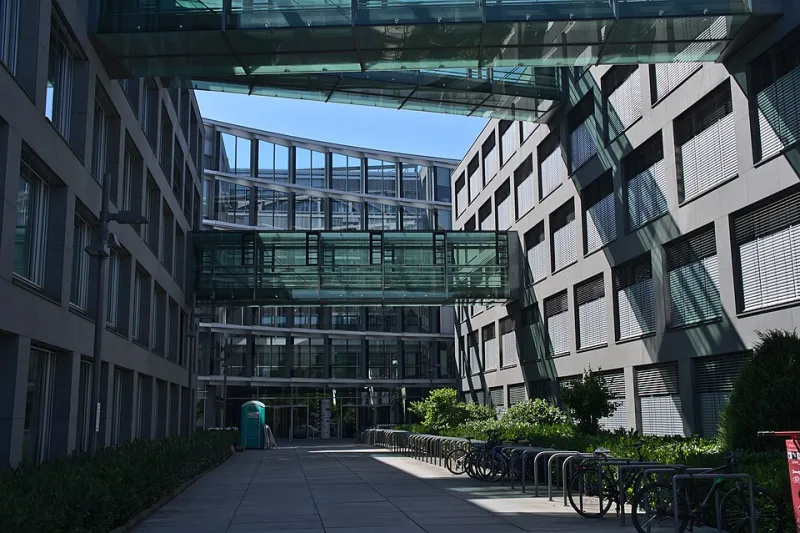
Photo: DorahMalemba, CC BY-SA 4.0, via Wikimedia Commons
Every commercial project has two phases that test an owner's patience. The first is waiting for permits. The second — and far more consequential — is the stretch after the steel starts rising, when the owner realizes the building is no longer a rendering on a screen but a jobsite with a hundred moving parts and a schedule that will not negotiate.
At SouthTexa Contracting, we've worked with owners across the Rio Grande Valley, Corpus Christi, and San Antonio long enough to know a truth most people learn the hard way: projects finish on time for clients who know how to manage the process. Not by micromanaging the crew, but by understanding where their influence actually matters.
Your Signature Is the Most Expensive Thing on the Jobsite
Nothing moves a project sideways faster than an uncontrolled change order. A mid-build revision — moving a wall, upgrading a storefront system, rerouting conduit — doesn't just cost the change itself. It triggers a chain reaction: revised drawings, re-permitting in some jurisdictions, subcontractor rescheduling, and material reorders in a supply chain that rarely forgives a delay.
The playbook is simple. Before construction starts, walk the space one final time and commit. During the build, if a change becomes genuinely necessary, ask your contractor for a written cost and schedule impact before authorizing anything. A reputable general contractor will provide one without being asked. Owners who treat change orders as a formal process — not a hallway conversation — consistently end up with fewer surprises and stronger documentation if a dispute ever arises.
Jobsite Visits: Welcome, With Conditions
Good contractors want engaged owners. Bad ones want you to show up unannounced, point at a subcontractor, and redirect work on the spot. The difference isn't the visit — it's the protocol.
Schedule your walkthroughs in advance with the project manager. Arrive with questions, not directives. And understand the hierarchy: if something concerns you, raise it with your GC, not with the electrician holding a saw. Field crews answer to their superintendents, and a well-intentioned owner giving instructions directly can create conflicts, safety issues, and liability the contractor didn't plan for.
One more note for South Texas specifically: in July and August, plan site visits for early morning. It's safer for you, kinder to the crews, and you'll see more work in progress before the afternoon heat slows everything down.
Build a Communication Cadence and Stick to It
The most effective owner-contractor relationships run on rhythm, not reaction. A weekly status call or meeting — same day, same time — keeps questions from piling up and prevents the dreaded Friday-afternoon email that sits unread until Monday while a decision waits.
Ask your contractor early what they need from you and when: material selections, color approvals, utility coordination, signage sign-offs. Owner-caused delays are among the most common schedule killers in commercial construction, and nearly all of them trace back to decisions that arrived late. Put every approval in writing, even the informal ones. A short email confirming a phone call protects both sides.
Know What You're Watching For
You don't need construction expertise to spot the difference between a healthy jobsite and a struggling one. Look for consistent subcontractor presence — if trades rotate through without gaps, the schedule is holding. Watch whether the site stays organized and whether safety measures are maintained. Notice whether your project manager answers questions promptly and whether requests for information move quickly.
Conversely, long stretches with no visible progress, repeated requests for payment ahead of completed work, or a superintendent who can't explain the next two weeks of activity are all signals worth raising — directly and early.
Pay On Time, Decide On Time
It sounds unglamorous, but here is the single most reliable way to keep a contractor's best crews on your project: be the owner who processes pay applications promptly and makes decisions quickly. Subcontractors and suppliers prioritize clients who pay on schedule. In a competitive South Texas labor market, that prioritization shows up directly in your timeline.
The Long Game
Construction is a temporary relationship, but the building is permanent — and so is your reputation in the local business community. Owners who communicate clearly, honor the contract process, and respect the jobsite tend to get the extra effort that separates a good build from a great one: the superintendent who double-checks a detail, the crew that protects your finish schedule through a rainy week.
The concrete, the steel, and the schedule don't care about your deadline. The people managing them do. Be the client they finish on time for.