Before the First Shovel: A South Texas Owner's Guide to Smarter Groundbreaking

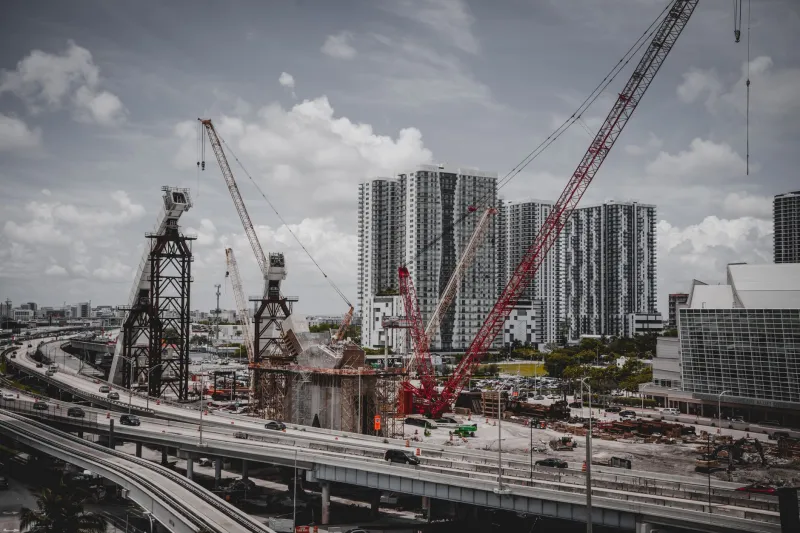
Photo by Photo by alan boyce on Unsplash on Unsplash
Starting a commercial construction project is one of the largest commitments a business owner will ever make. And in South Texas, the process carries a few regional wrinkles — hurricane exposure, floodplain mapping, and fast-moving municipal growth among them — that can catch unprepared owners off guard.
Having guided owners through groundbreaks across the Rio Grande Valley, the Coastal Bend, and the San Antonio area, we've compiled the five things we wish every client knew before day one.
1. Permits Take Longer Than You Think — Start Earlier Than You Think
Every jurisdiction in South Texas handles permitting a little differently. A build in McAllen may follow a different review process than one in Corpus Christi or a fast-growing Bexar County suburb, and timelines can range from a few weeks to several months depending on scope, zoning approvals, and utility availability.
The practical advice: engage your contractor and any required design professionals before you finalize your opening date. Permitting, plan review, and utility coordination should be built into your timeline as real phases, not afterthoughts. Owners who treat permits as a formality are the ones who end up paying for idle months.
2. Know Your Flood Zone Before You Buy the Land
South Texas has seen what water can do. Before committing to a site, review FEMA flood maps and, more importantly, have a local professional verify current conditions — maps lag behind reality, and local drainage patterns can complicate things further.
If your site sits in or near a flood zone, understand the implications early:
- Elevated finished-floor requirements can add cost and design constraints
- Flood insurance premiums affect long-term operating budgets
- Lenders may impose additional requirements beyond local code
None of this makes a site a bad choice. It makes it a choice that needs to be priced correctly from the start.
3. Hurricane-Rated Construction Isn't Optional — It's the Baseline
Coastal counties in Texas enforce windstorm construction standards designed for hurricane exposure, and even inland projects benefit from elevated resilience standards. Depending on your location, this can affect roof assemblies, openings, structural connections, and fastening schedules.
The important thing for owners to understand is that these requirements are not upcharges invented by contractors — they are code, and in windstorm-qualified areas they're often verified through third-party inspection programs. Building to a lower standard to save money up front typically costs more in insurance premiums, insurance eligibility, and storm repairs.
Ask any contractor you're considering to walk you through exactly how the building will meet windstorm requirements, and get it in writing.
4. Budget for the Real Number, Not the Best-Case Number
Construction budgets fail in predictable ways. The most common: owners anchoring to an early estimate before the design is complete, then treating every subsequent number as a betrayal.
A more durable approach:
- Get a realistic early budget based on current regional costs, not national averages
- Carry a contingency — typically 5–10% for a well-defined project, more for one in early design
- Understand your soft costs — site work, utility extensions, impact fees, and professional services add up quickly and are frequently underestimated
- Align your financing timeline with your construction timeline so draws and schedules match
A transparent contractor will show you where the risks are in your budget rather than promising the lowest number to win the job. Be wary of anyone who won't.
5. Choose a Partner, Not Just a Bid
The lowest bid is rarely the cheapest path once the project is underway. What matters more is how a contractor communicates, how they handle unforeseen conditions (and there will be some — South Texas soils and weather see to that), and whether they have real experience with your project type in your specific market.
Before signing, ask pointed questions:
- What comparable projects have you completed in this region?
- Who will be on-site every day, and how will we communicate?
- How do you handle change orders and schedule impacts?
- Can you provide owner references from the last two years?
The answers tell you far more than the bid number does.
Preparation Is the Best Value Engineering
Every one of these five items shares a theme: the decisions made before construction begins have more impact on cost, schedule, and long-term satisfaction than anything that happens after groundbreak. Owners who invest time in site diligence, realistic budgeting, and the right partnership consistently end up with better buildings and fewer surprises.
If you're considering a commercial build in South Texas and want a straight answer about what your project will really take, SouthTexa Contracting is glad to talk — no pressure, no obligation, just the kind of transparency we'd want if we were in your position.