Meeting the Moment: Commercial Construction Rises to the Challenge Along the South Texas Growth Corridor
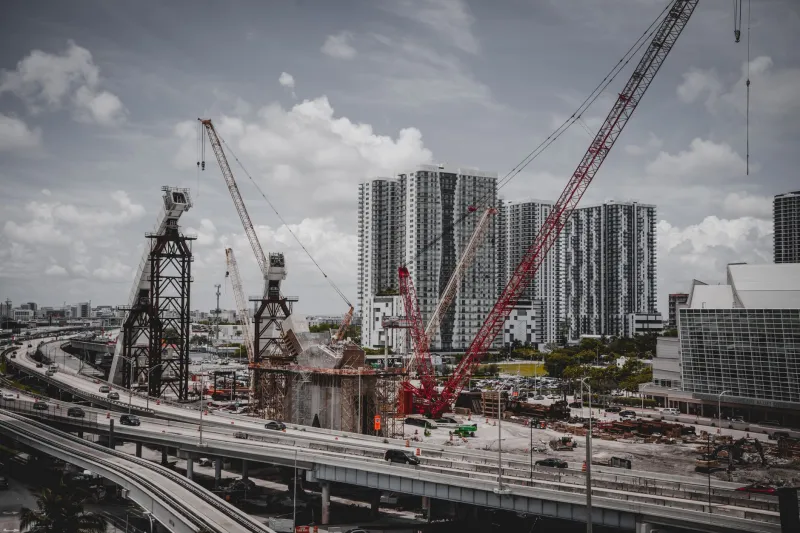
South Texas is no longer a market that national developers discover by accident. Census data, corporate relocations, and cross-border trade activity have converged to make the corridor stretching from the Rio Grande Valley through Corpus Christi and up to San Antonio one of the most active commercial construction regions in the country.
For contractors, that momentum is both an opportunity and a test. Building fast is one thing. Building fast without sacrificing quality, safety, or budget discipline is another entirely.
The Demand Curve Keeps Climbing
The drivers are easy to trace. Population gains across Hidalgo, Cameron, Bexar, and Nueces counties have created immediate need for medical clinics, retail centers, and distribution space. Port activity in Corpus Christi and the expansion of logistics networks serving Mexico trade routes have added industrial demand on top of that.
What this means on the ground is a project mix that barely existed a decade ago: large-format warehouses along I-35 and US-281, urgent care and specialty medical facilities serving fast-growing suburbs, and retail buildouts chasing rooftops that seem to appear every year.
Labor: The Defining Constraint
Ask any contractor in the region what their biggest challenge is, and the answer is rarely materials or financing. It's people.
The skilled labor shortage in Texas construction is well documented, but South Texas faces a specific version of the problem: the volume of work is growing faster than the local workforce can expand. Contractors are responding in a few practical ways.
Investing in apprenticeship pipelines. Firms that once relied on hiring experienced crews are now partnering with trade schools and community colleges to develop their own talent, particularly in electrical, mechanical, and concrete trades.
Retaining through consistency. Companies that can offer steady, back-to-back projects across a growing region hold an advantage over those with gaps between jobs. Predictable work has become a recruitment tool in itself.
Subcontractor relationships. In a tight market, the best subs are booked months out. Contractors with long-standing regional relationships have a real edge when schedules compress.
Material Sourcing in a Volatile Market
Labor gets the headlines, but material strategy has become just as critical. Steel, concrete, roofing, and electrical equipment all remain subject to price swings and extended lead times.
The contractors performing best in this environment share a common approach: early procurement. Locking in long-lead items during design — rather than after permits — protects budgets and schedules alike. Regional suppliers also matter more than they used to. A distributor three hours away can be the difference between a two-week delay and a two-day one.
Fast-Track Schedules Without the Shortcuts
Developers arriving in South Texas often bring expectations shaped by markets like Dallas or Houston: aggressive timelines, phased openings, and tenant improvement deadlines that don't move.
Meeting those expectations requires a construction method built for speed without compromise:
- Early contractor involvement. Bringing the builder into design decisions months before groundbreak eliminates costly redesigns later.
- Prefabrication where it makes sense. Framing assemblies, mechanical racks, and electrical components built off-site compress field time significantly.
- Phased delivery. Splitting large retail or industrial projects into deliverable sections lets owners generate revenue while the remaining work continues.
The key is that none of these strategies cut corners. In a region where hurricane season is a fact of life and windstorm ratings matter to insurers and tenants alike, speed can never come at the expense of structural integrity.
Building for the Long Term
The boom will eventually moderate — booms always do. But the infrastructure being built today will serve South Texas communities for decades.
That perspective shapes how the most established regional contractors operate. A warehouse that opens on time but develops a roof problem in year three is a failure, regardless of schedule. A medical office building that meets code but frustrates staff with poor workflow design hasn't fully served its owner.
The firms that will define commercial construction in South Texas over the next decade are the ones treating this growth period as a chance to build a reputation, not just a backlog. For a region that has waited a long time for this level of investment, that standard is the right one to hold.
At SouthTexa Contracting, we're proud to be part of this chapter — helping businesses across the Valley, the Coastal Bend, and the San Antonio corridor build facilities worthy of the growth they're chasing.
